
Celebrating AAPI Heritage Month

Afghanistan

Afghanistan has a rich cultural heritage, known for its diverse ethnic groups, historic trade routes, and traditional arts.

Armenia

Armenia is one of the oldest Christian nations, known for its ancient monasteries, rich history, and distinctive architecture.

Azerbaijan

Azerbaijan is a country bridging Eastern Europe and Western Asia, known for its oil wealth and blend of European and Middle Eastern culture.

China

China is the world's most populous country, with a civilization spanning thousands of years and profound global influence.

Indonesia

Indonesia is the world's largest archipelagic state, known for its cultural diversity and natural beauty.

Afghanistan Armenia Azerbaijan Georgia Kazakhstan Kyrgyzstan Mongolia Tajikistan Turkmenistan Uzbekistan

South Korea

South Korea has emerged as a global cultural powerhouse, known for its technological innovation, K-pop music, cinema, and rich traditions. Its rapid economic development has transformed it into a leading world economy.

India

India is home to one of the world's oldest civilizations, with a rich tapestry of languages, religions, and cultural traditions. Its contributions to mathematics, philosophy, and arts have profoundly influenced global culture.

Vietnam

Vietnam's rich cultural heritage spans thousands of years, known for its diverse ethnic groups, distinctive cuisine, and resilient spirit. Its landscape ranges from mountainous highlands to the Mekong Delta.

China South Korea India Vietnam Japan

Japan

Japan has a rich history of samurai warriors, feudal rule, and technological innovation, shaping its global influence.

Japan

India has a rich history of samurai warriors, feudal rule, and technological innovation, shaping its global influence.

Okinawa Taiwan Carolinian Chamorro Chuukese Fijian Guamanian Marshallese Niuean Palauan Papua New Guinean Pohnpeian Samoan Brunei Burma Cambodia Philippines Indonesia Laos Malaysia Singapore Timor-Leste Thailand Vietnam Bangladesh Bhutan Maldives Nepal Pakistan Sri Lanka Bahrain Iran Iraq Israel Jordan Kuwait Lebanon Oman Palestine Qatar Saudi Arabia Syria Turkey United Arab Emirates Yemen
/*

In the 1850s, workers were recruited from southern china, they worked as fishermen, farmers, miners, factory workers, and railroad builders, made up 20% of california’s labour force by 1970 Americans believed chinese immigrants were taking away their jobs In 1882, chinese exclusion act passed, preventing chinese from immigrating to america By 1885, Japanese labourers began replacing chinese labourers, and naturally hate followed, and japanese immigration was restricted in 1907 by a gentleman’s agreement between the US and Japan Many hate crimes

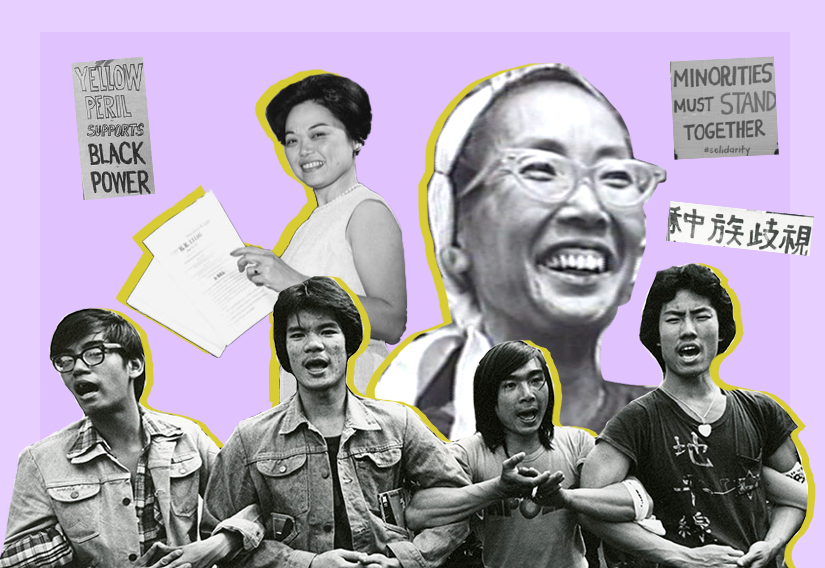
They want to advance racial, social & economic justice for Asian Americans Affordable housing for the poor and elderly Accountability for police brutality Ending US military in southeast asia and elsewhere

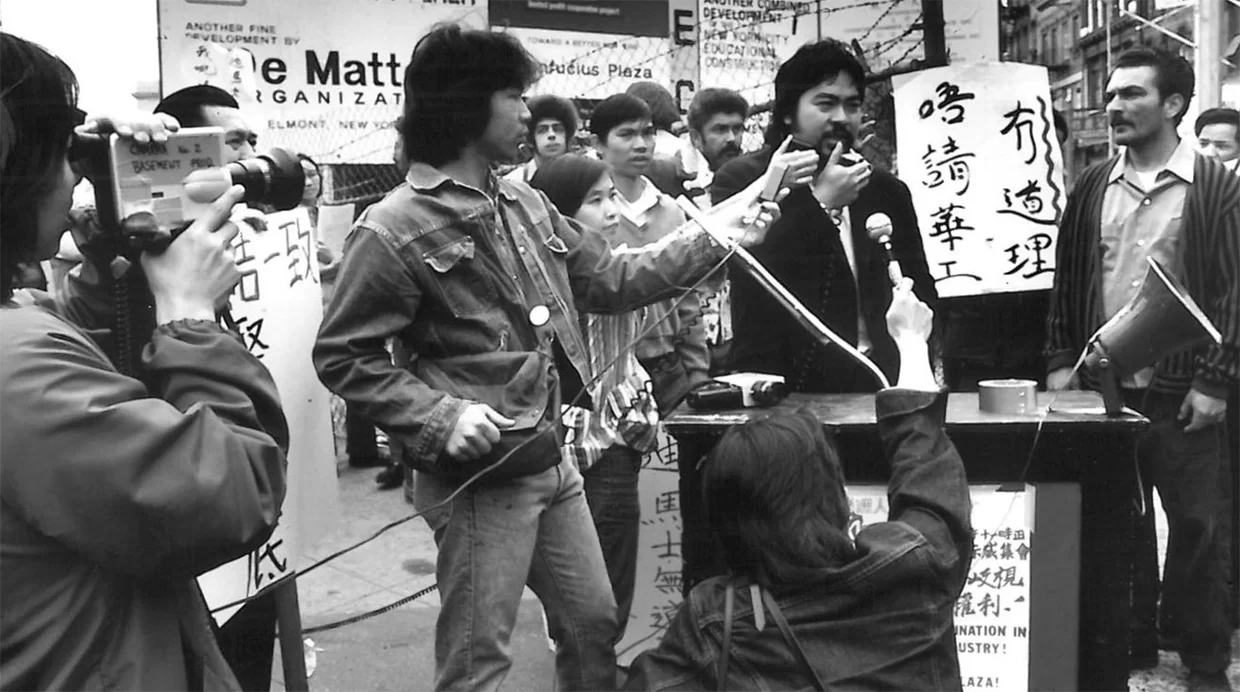
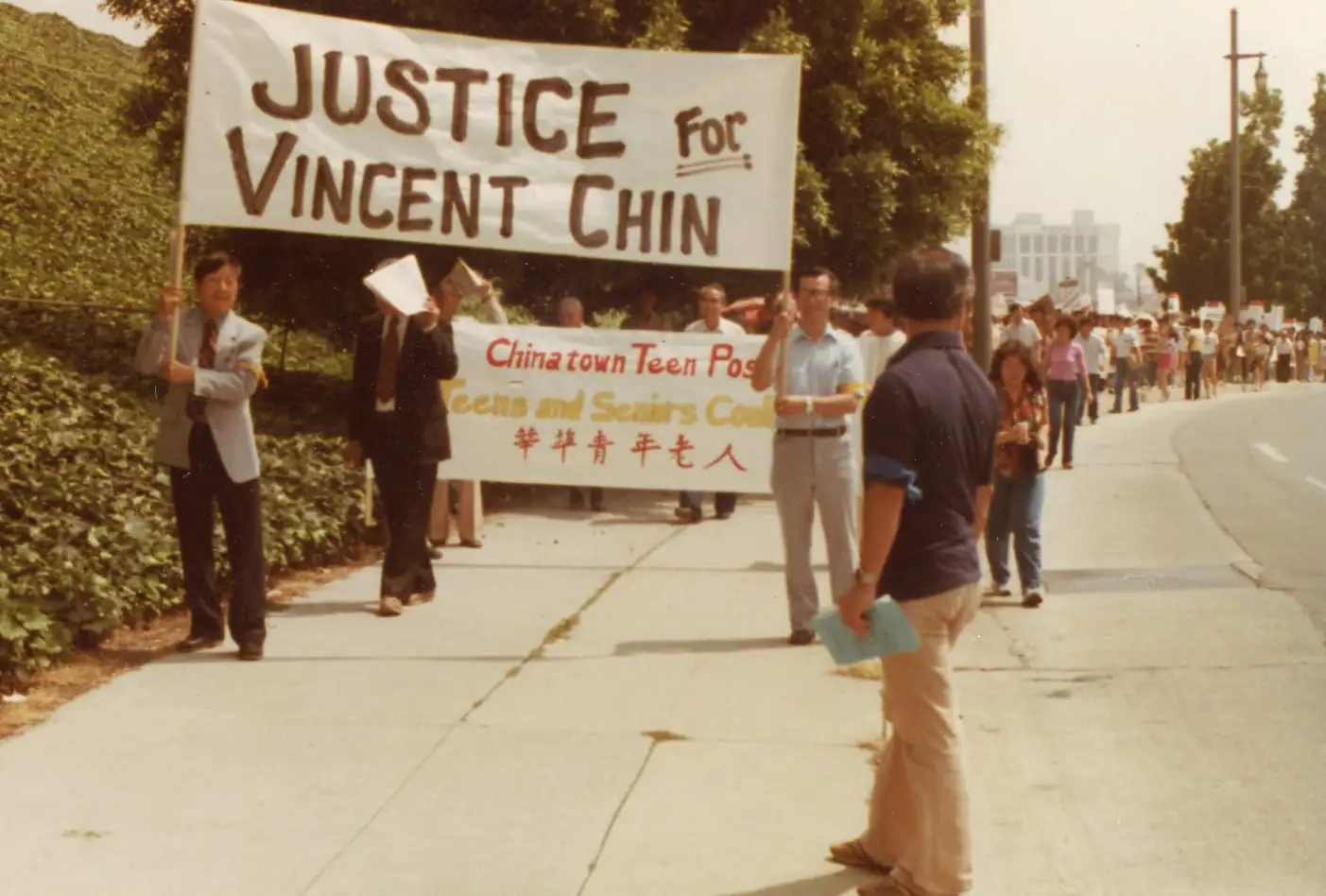
Vincent Chen, a Japanese automotive engineer was brutally murdered by a baseball bat days before his wedding. He was out drinking in detroit michigan where recently due to the rise of the Japanese automotive industry had caused losses in jobs for people The two men who murdered him were put on probation for 3 years and only payed a 3000 dollar fine The fight to get them incarcerated continued with Chen’s mother saying she will not rest until her son was avenged Eventually the men got 25 years but this also sparked the start of an Asian American rights movement because Asian American hate crimes were brought to light. In 1985, there was a fire in a Chinatown tenemant that killed two elderly residents and left 125 people homeless. AAFE (Asian Americans for Equality) developed Equality House which included 59 apartments. Over the next three decades AAFE created hundreds of units across Chinatown and the lower East side.